
The Cloud Translation Gap: Aligning Engineering Velocity with Board Assurance
This article is part of a joint content series by Ntegra and Defended Solutions, exploring how digital delivery, governance, and security intersect in complex, regulated environments.
At Defended Solutions, we work with organisations operating in high-trust environments where delivery decisions must remain defensible as programmes scale. This article explores why delivery success often breaks down beyond early MVP phases, and how embedding governance into delivery models enables organisations to scale with confidence.
Written by Daniel Mulliss (Defended Solutions), with contributions from Ben Parish (Ntegra).
In many cloud programmes, the primary threat to success is not the technology, but the translation gap in the boardroom. While engineering teams focus on resource groups, peering, and containers, Board-level stakeholders are concerned with risk appetite, strategic direction, and compliance.
This misalignment is a strategic bottleneck. When the Board treats "The Cloud" like a transactional line item rather than the mission-critical infrastructure that handles an organisation's most sensitive data, the result is often either excessive expenditure on redundant infrastructure or exposure to significant regulatory risk.
The symptoms of this gap are consistent across highly regulated sectors: programmes that appear successful on engineering dashboards suddenly hit a wall at gate reviews because stakeholders lack the necessary assurance. This leads to late-stage escalations, arbitrary pauses, and a loss of confidence in the cloud’s ability to deliver. To bridge this, organisations must move beyond technical reporting and establish a formal Translation Layer that aligns cloud engineering with business ambition.
Ntegra Case Study
Cloud services had been in operational use within a large defence organisation for several years, yet they were still treated as a “pilot” environment. While technically functional, they could not be fully adopted into business-as-usual operation because responsibilities, permissions and accreditation pathways were unclear. As a result, changes requiring platform authority interaction repeatedly stalled. The issue was not platform capability, but the absence of a structured assurance route decision-makers could rely on.
Why Communication Breakdown Occurs in Cloud Programmes
The friction between delivery teams and leadership usually stems from a fundamental clash in how progress is measured. Engineering teams typically operate within an Agile framework, prioritising velocity and iterative change. Conversely, Boards often operate with a "Waterfall" mindset, seeking fixed outcomes and comprehensive approvals before moving forward.
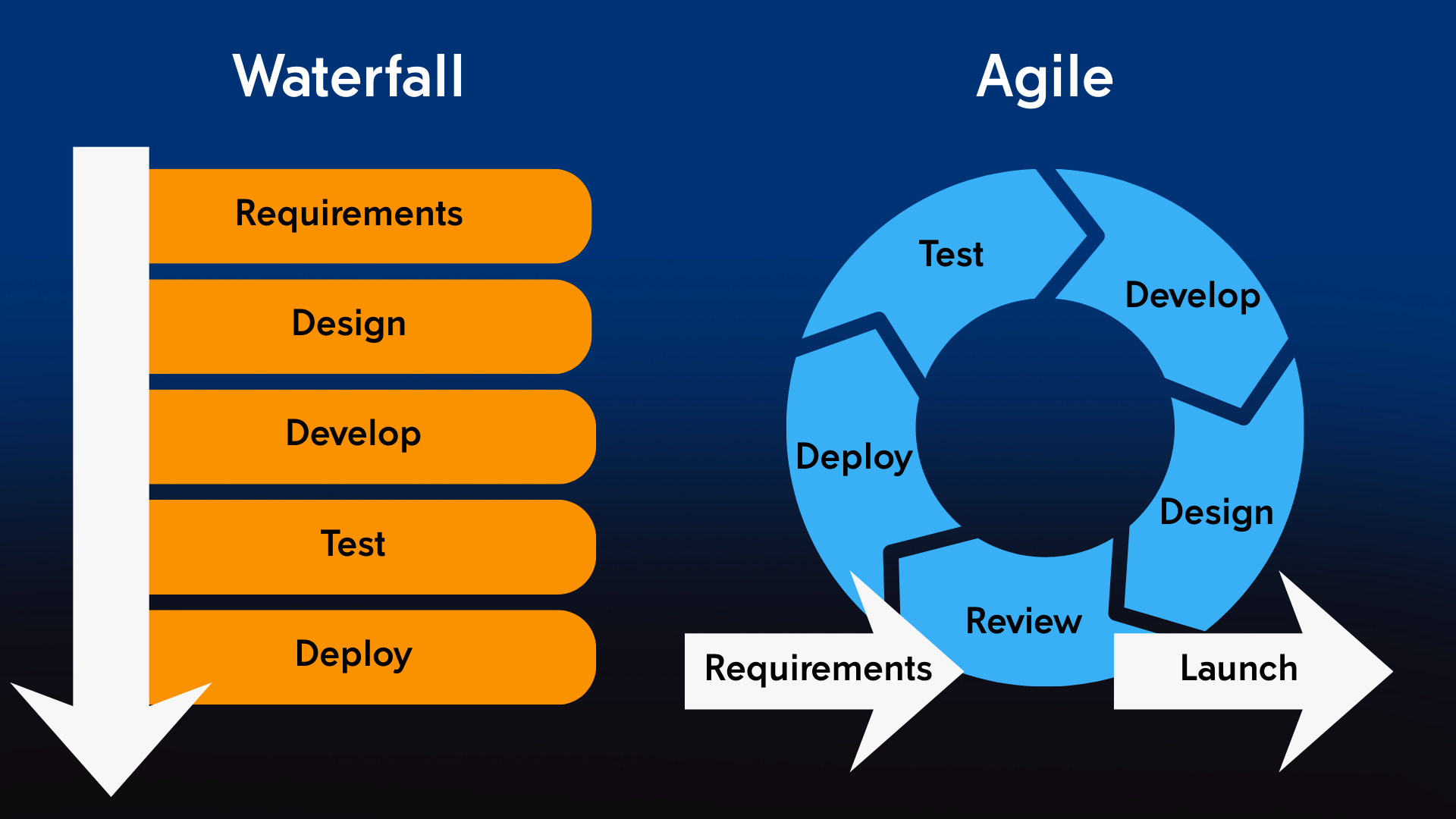
This means that the measures of success look completely different depending on where you sit. Without a structured mechanism to translate between these two views, cultural deadlock becomes inevitable. Engineering perceives the Board as obstructive, while the Board perceives engineering as reckless. In high-trust environments, this lack of clarity is often the primary cause of programme stagnation.
Ntegra Case Study
During a large IT transformation in a telecommunications organisation, teams completed the rollout of new processes and tooling and considered them ready for wider adoption. However, rollout was paused. Senior stakeholders could not clearly see who owned the risks, how accountability had changed, or whether audit requirements were still met. Without that assurance, the change could not be approved despite being technically complete.
The Lesson? Adoption depends on decision confidence. Assurance should evolve with delivery, this becomes critical in high-stake environments, where it enables approval and prevents late-stage pauses.
Establishing the Translation Layer
Building a bridge between these two worlds requires a three-step translation process:
1. Strategic Goal Alignment
Business strategy must be decomposed into requirements that are actionable for developers. By linking daily engineering activities directly to high-level vision, organisations ensure that every sprint contributes to a defensible business outcome rather than being a purely technical exercise.
3. Defining Autonomous Boundaries
Effective governance defines how far a team can proceed before a decision requires stakeholder escalation. By establishing pre-approved financial caps and security baselines, teams gain day-to-day autonomy. This provides the engineering teams with the space to move fast, but ensures they return to the table for a conversation the moment they reach the defined guardrails.
3. Recontextualise Risk for Decision Makers
Cloud risk must be translated from technical jargon into business impact. Instead of debating architectural nuances, leadership should be presented with clear, outcome-based choices. For example, instead of a technical debate on architecture, the Board should receive a clear risk statement:
"Choosing a single region architecture increases our availability risk to a ninety-eight percent SLA, but it reduces our cloud overhead by one hundred and fifty thousand pounds."
This framing allows the Board to make informed decisions based on the organisation's specific language of cost and risk.
What Good Looks Like: The Mature Cloud Operating Model
In a mature cloud operating model, the transition from manual "box-ticking" to "governance by design" is characterised by several key shifts:
Establish Clear Autonomy Boundaries: Teams operate within a documented "Safe Zone," knowing exactly which technical patterns are pre-approved and when a decision requires escalation.
Adopt a Federated Governance Model: Responsibility is moved away from central bottlenecks and embedded directly into engineering squads. You can read more about why digital delivery models fail to scale without embedded governance here.
Implement Policy as Code: Security and compliance rules are built into the engineering pipeline. These automated guardrails allow the Board to feel secure without needing to manually inspect every single change.
Shift to Outcome-Based Accountability: Success is measured by whether a delivery stays within the risk appetite, allowing teams to own their outcomes while staying within strategic lines.
By implementing these standards, organisations stop using governance as a brake and start using it as an accelerator. It allows the Board to step back from the technical "weeds" because the system itself is designed to flag a risk before it becomes a crisis.
The Consequences of the Translation Gap
If the gap remains unaddressed, the impact is severe. Programmes are frequently held at gates for months because stakeholders are uncomfortable with deliveries. This environment also fosters "Gold-Plating": without clear business context, engineers naturally aim for the highest possible technical standard.
In the cloud, this leads to spiralling costs. An organisation may achieve the highest availability figures ever recorded, but if the business did not require that level of resilience, the cost is wasted. When the Board sees that bill, they respond by imposing even more restrictive and manual governance.
Conclusion: Turning Cloud from a Risk into a Strategic Asset
Cloud engineering is not inherently unsafe, but strategic misalignment is. Boards do not need to become experts in Kubernetes; they simply need clarity and confidence.
When you bridge the gap between these two worlds, you stop being a bottleneck and start being an enabler. CIOs who successfully build this translation layer unlock the ability to deliver at pace without ever compromising on the security of the mission. It is about moving away from the culture of "no" and building a framework where speed and governance support one another.
Align Your Cloud Strategy with Defended Solutions
Defended Solutions specialises in helping organisations in highly regulated sectors bridge the gap between technical complexity and boardroom assurance. We design and implement the governance frameworks and operating models required to scale cloud delivery safely.
Contact Defended Solutions to learn how we can help you align your engineering speed with strategic assurance.
